Recess
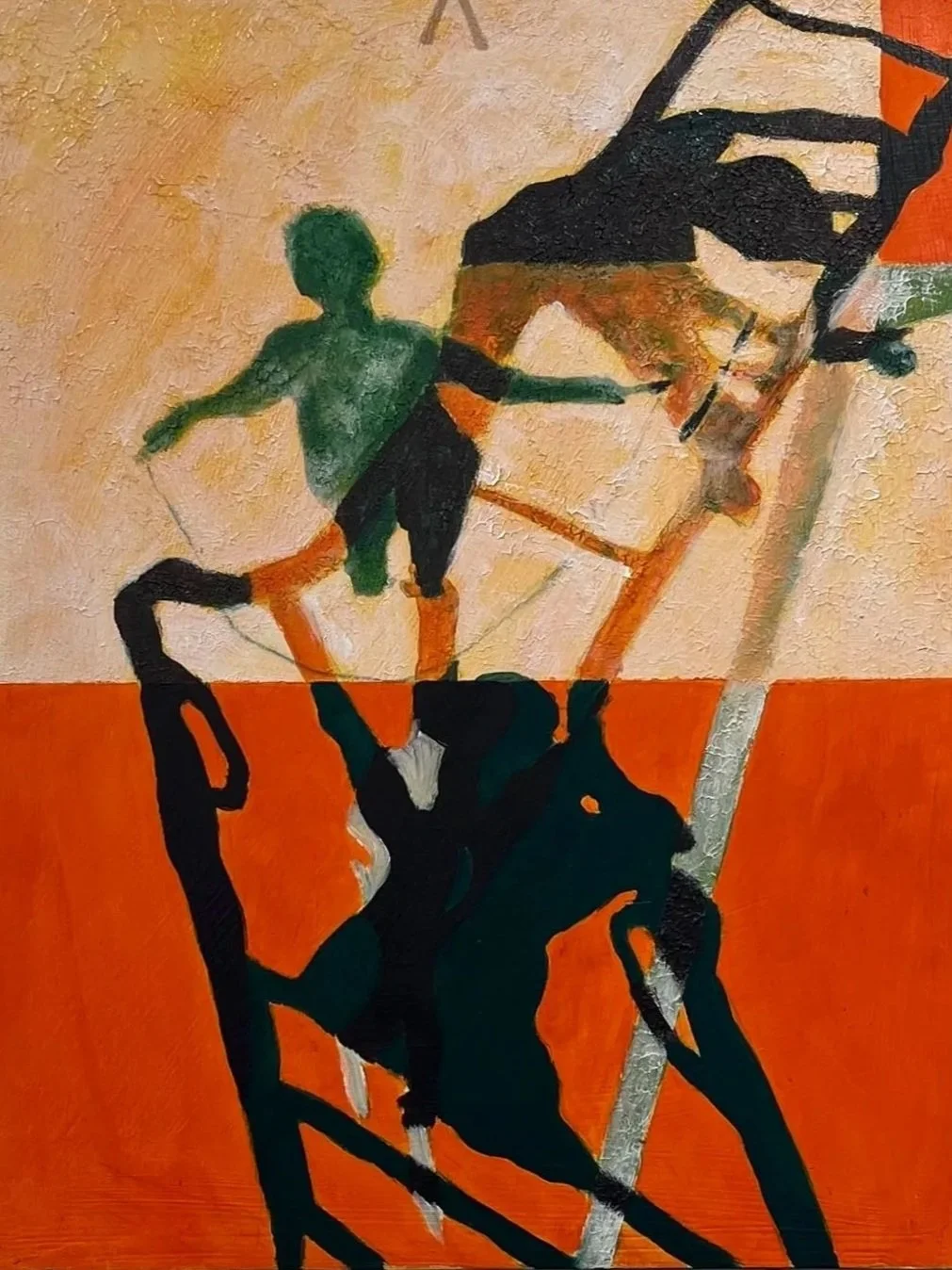
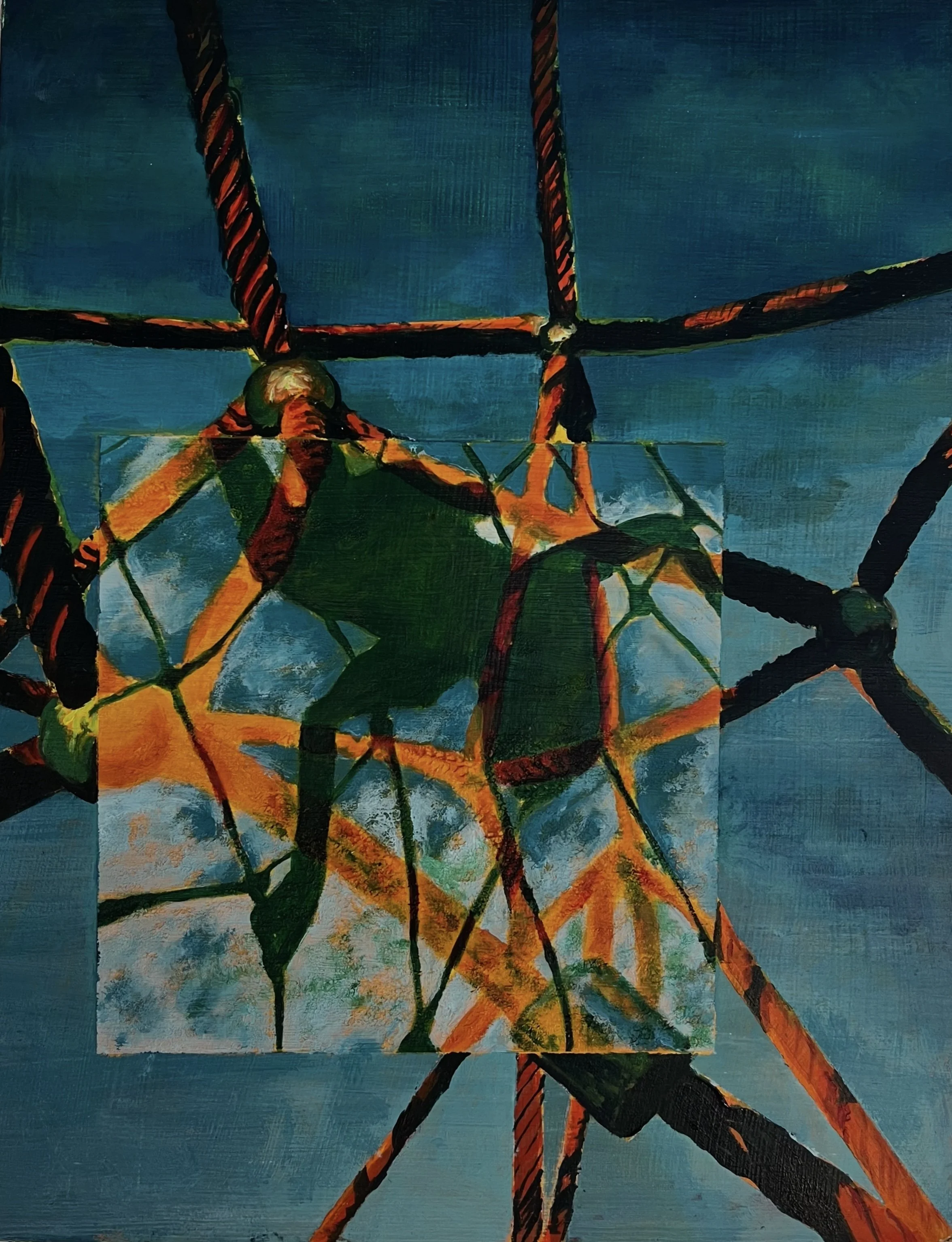
Recess explores the space between a moment as it is lived and how it is later remembered. Childhood embodies this distance, since much of it passed without the awareness that it would need to be recalled. Play and freedom were simply lived, not chosen, and even the children experiencing them did not notice.
The body registers this differently than the mind. The sensations of a downhill slide, the turn of a swing and the give of a climbing frame settle as engrams, traces that arrive long before any image does. Each carries a pathos formula of leaning, reaching, tipping or falling, a charge of freedom that outlasts the day that made it.
These forms are never recovered.
They survive, surfacing unevenly and out of time.
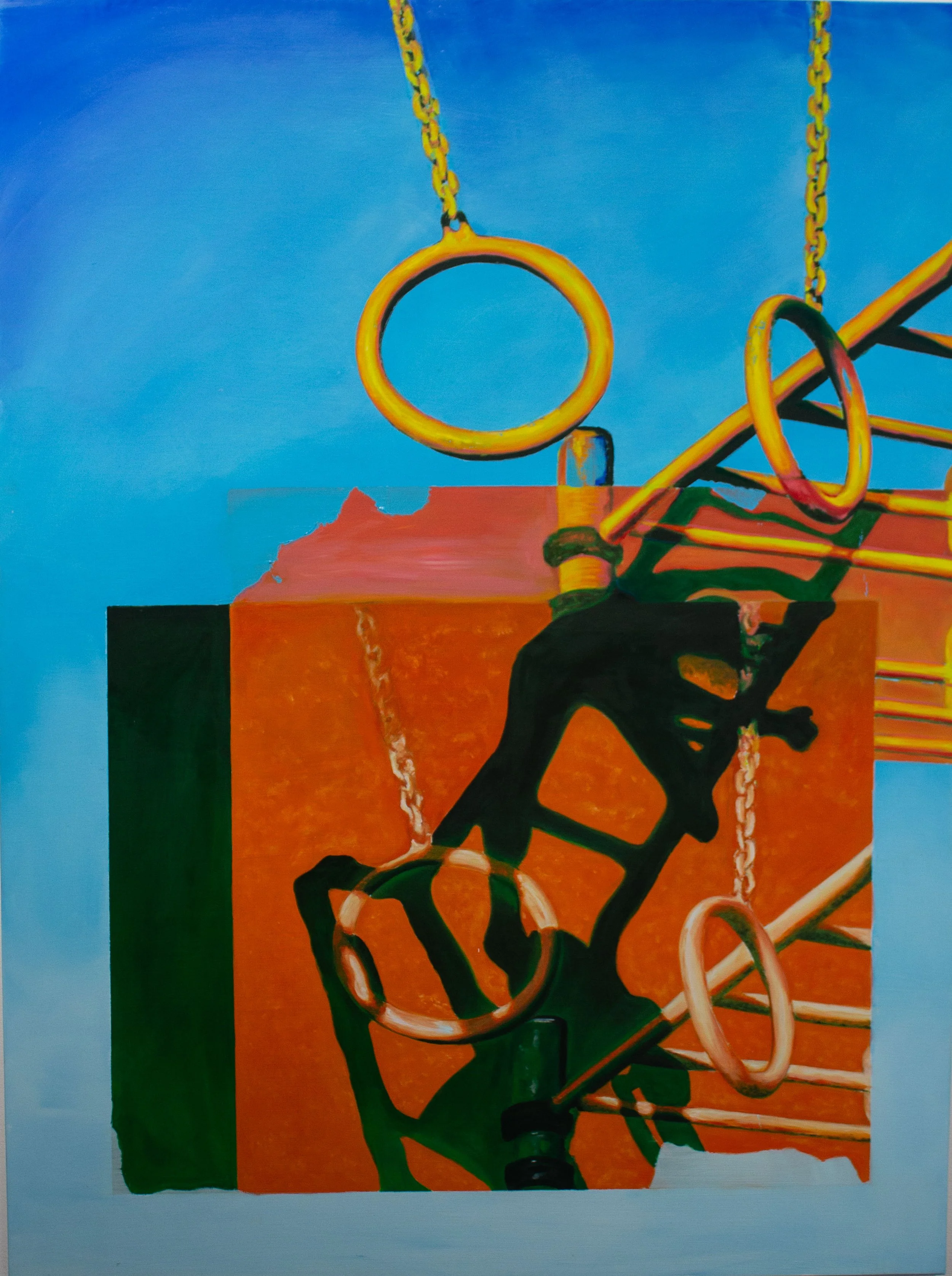
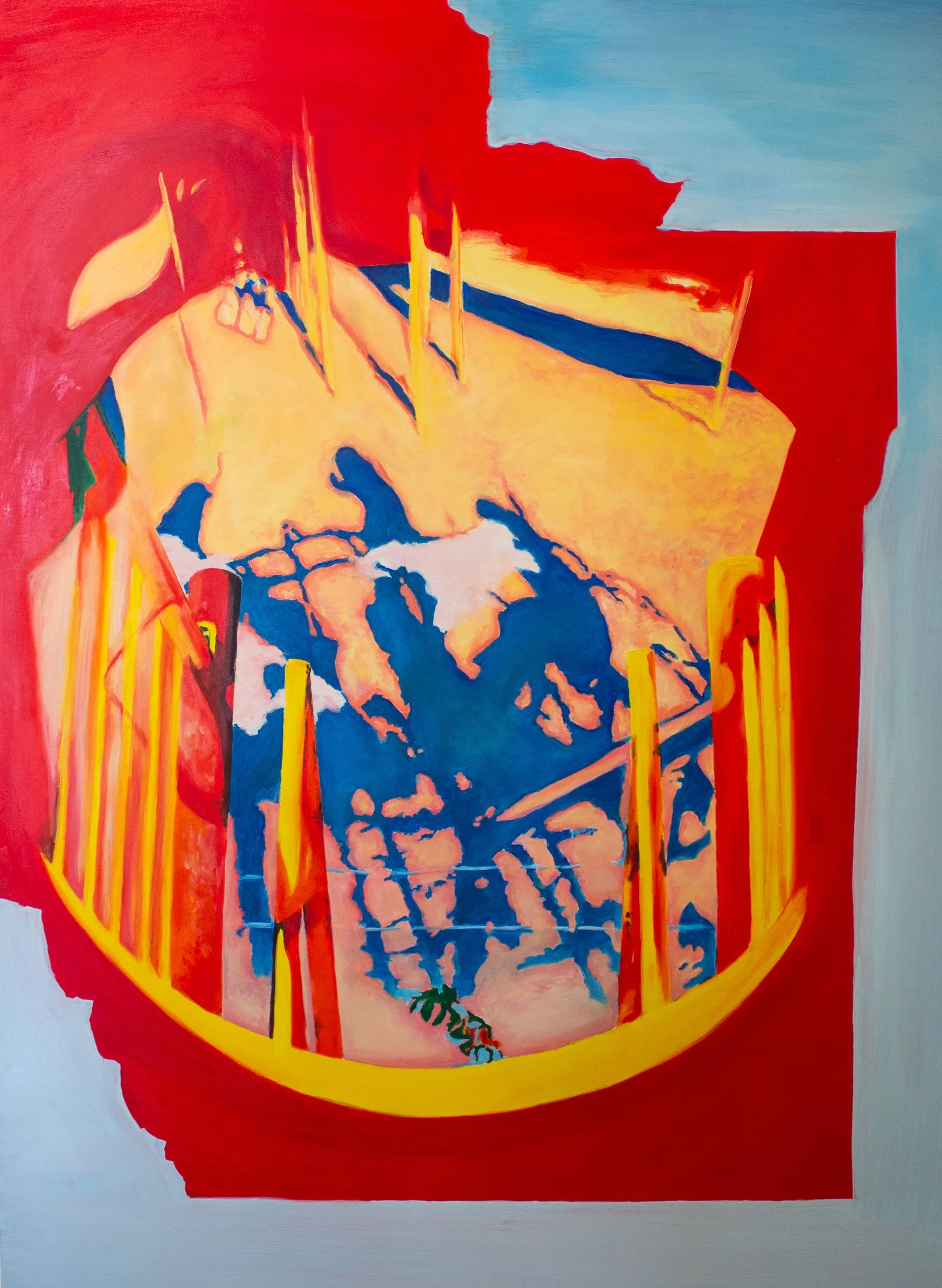
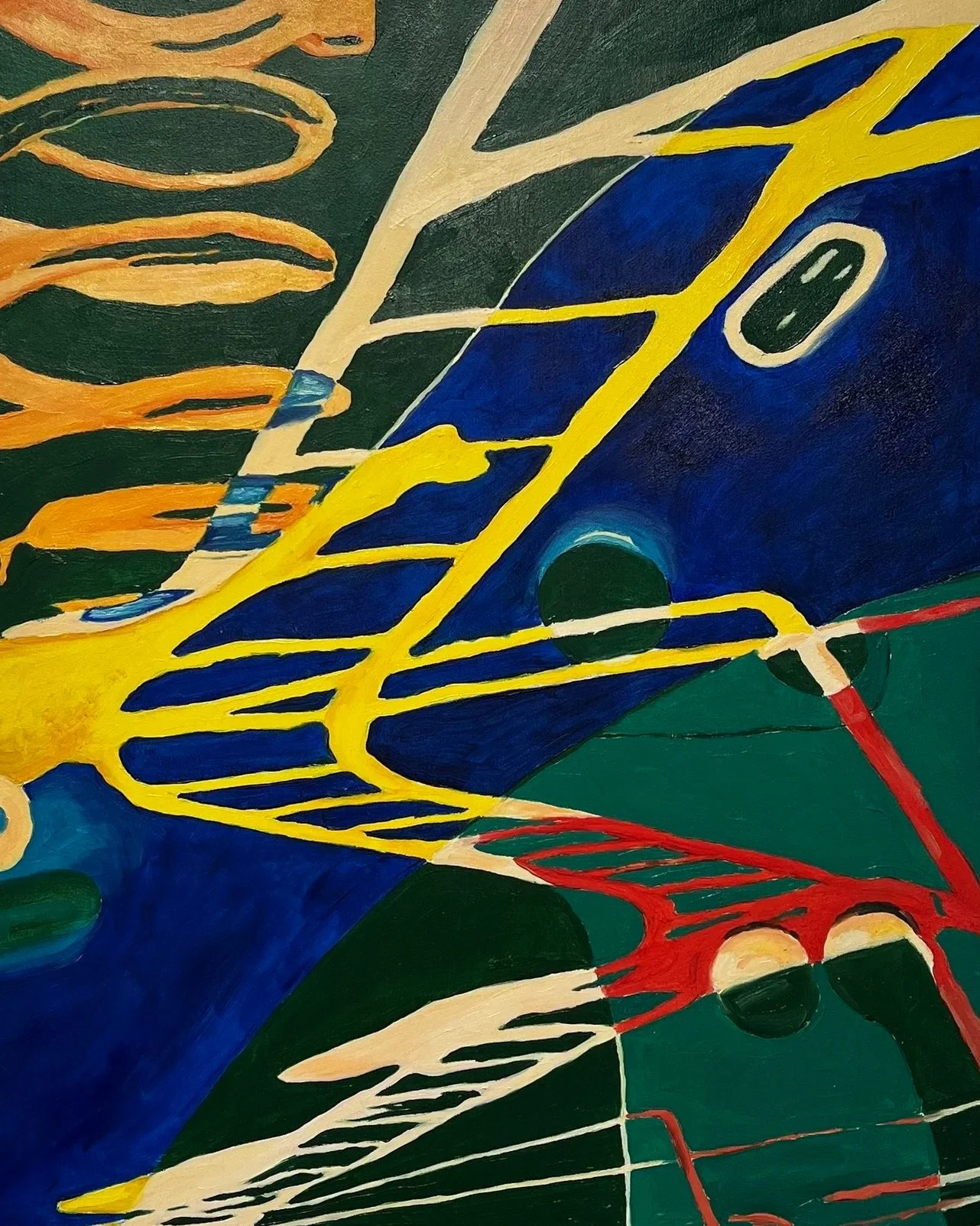
Memory returns to us in gathered pieces, a collaging of lived experience. An exacting recollection is not illustrated, but what is stands in space as something that moves as memory does, fragmented, warmed and cooled by time, arriving in shadows rather than whole scenes.
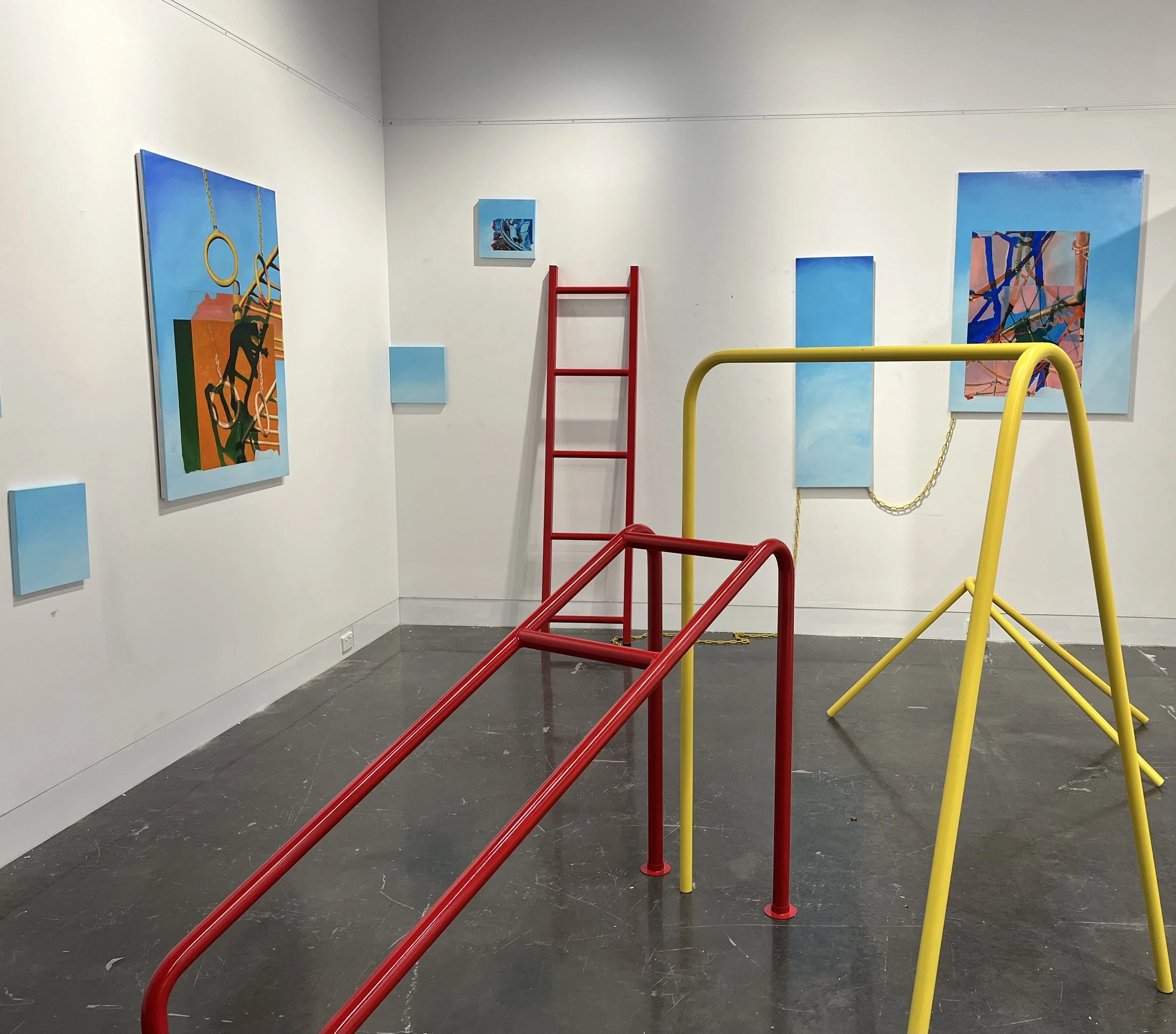
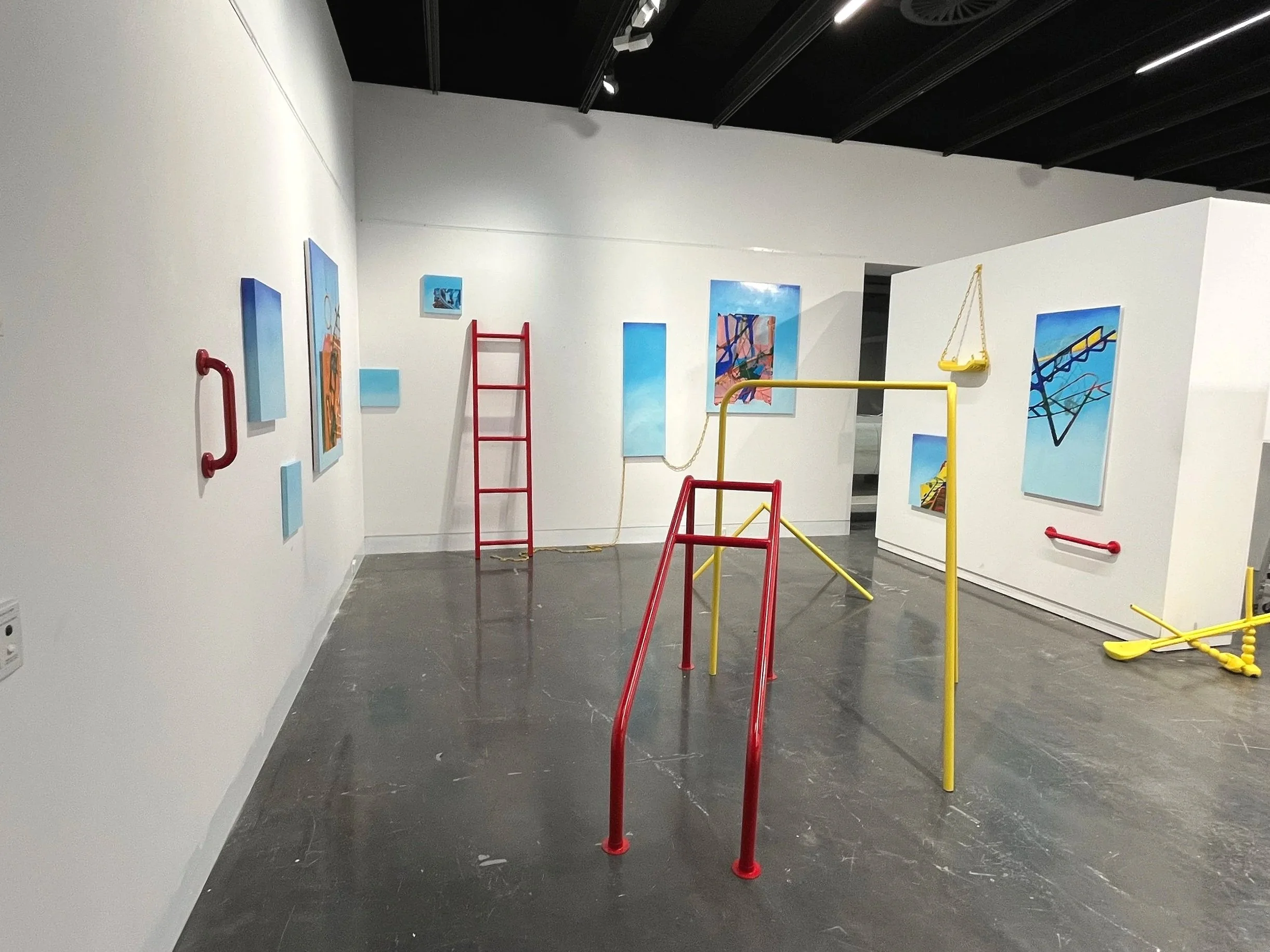
The architecture of play was built for bodies to move through, and it shaped the freedom I remember as surely as I shaped my games within it. Here I play with it in turn. Old swing sets and climbing frames are taken apart and rebuilt, recalling a playground without repeating it, and left unfinished, the way our memory is.
A child’s shadow passes from one structure to the next, the joy of the climb resting beside the ache of its absence. Moving among them, you may feel your own body lean toward a movement it can no longer make. What remains is the outline of freedom where it once stood, held with tenderness rather than loss.